
Best Practices for Applying Bed Bug Spray in Bedrooms and Furniture
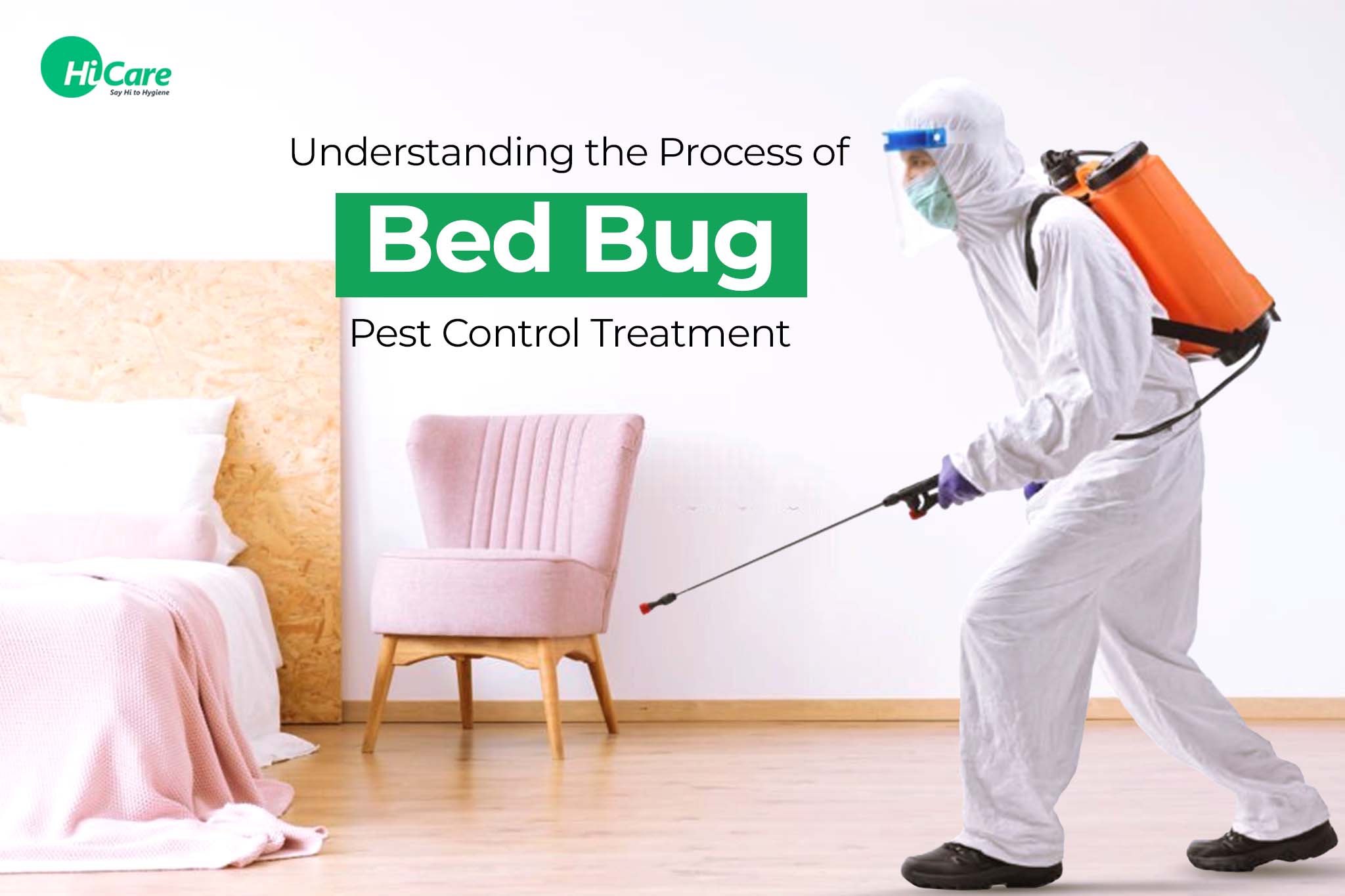
Effective treatment targets seams, tufts, joints, voids and adjacent furnishings where bed bugs aggregate. Technicians should select EPA‑registered, mattress‑safe products and follow labels for rates, PPE and surface restrictions. Prepare rooms by bagging and laundering fabrics rat repellent sound, isolating pets, and sealing entry points. Use minimal micro‑pulses into seams and voids, avoid blanket sprays, and document products, lot numbers and observations. Schedule follow‑ups at 7, 14 and 30 days with monitoring devices. Continue for detailed procedural steps and safety guidance.
Understanding Bed Bug Behavior and Hiding Spots
In bedrooms and furniture, bed bugs exhibit predictable patterns of movement and concealment that inform effective treatment: they are nocturnal, preferring to feed on human hosts at night, and they aggregate in cracks, seams, and voids within mattresses, box springs igreenasia, bed frames, headboards, upholstered furniture, baseboards, electrical outlets, and behind wallpaper or picture frames. The practitioner assesses rooms systematically: survey seams, tufts, joints, and adjacent furnishings; inspect electrical and plumbing voids with care. Recognize cues of nocturnal activity and use monitoring devices to map heat and CO2 attractant zones. Note aggregation pheromones that concentrate populations; target spray placement to disrupt clustering while minimizing blanket application. Document findings, prioritize high-risk harborages, and plan follow-up inspections to verify reduction and adapt techniques based on observed behavioral responses.
Choosing the Right Spray and Reading Labels Carefully
Knowing where bed bugs hide and how they behave informs selection of treatment products. The evaluator should prioritize EPA registered formulations and verify labels for approved uses, target pests, and required application rates. Labels dictate where sprays may be applied, compatibility with materials, and expected Residual efficacy. Follow label directions step by step and record product names and lot numbers for follow-up.
Prioritize EPA‑registered, mattress‑safe formulations; read labels for approved uses, application rates, and residual efficacy before treating.
- Confirm EPA registered formulations for indoor use and mattress-safe claims.
- Check Residual efficacy durations and reapplication intervals before purchase.
- Note personal protective equipment and ventilation instructions on the label.
- Validate concentration, dilution instructions, and any surface restrictions.
A systematic, innovation-minded approach to label-reading reduces risk and improves treatment outcomes while ensuring regulatory compliance.
Preparing the Room and Protecting People and Pets
Before treatment, all bedding, linens, and removable fabric covers should be removed and laundered in hot water and high heat drying or sealed in plastic bags for professional handling. Pets must be isolated from the room and any treated furniture, with food, water, and a secure resting area provided elsewhere until the product has dried and the area ventilated. Clear signage and communication to household members will guarantee no one re-enters the treated space prematurely.
Remove Bedding and Linens
With no loose items left on beds or furniture, occupants should remove all bedding, linens, and pillowcases and place them directly into sealed plastic bags to prevent bed bug escape or transfer. The handler follows a protocol: label bags by room, minimize handling, and transport to laundering immediately. Wash fabrics in hot water and dry on high heat to eliminate insects and eggs; use sealed containers for cleaned items. Inspect seams and edges of mattresses and pillows before bagging to note infestation sites and record locations for treatment alignment.
- Label bags with room and date for traceability
- Use glove protection and minimal shaking to avoid dispersal
- Launder: hot wash, high-heat dry, or professional steam
- Record seam findings for targeted spray application
Isolate and Protect Pets
When preparing the room for treatment, occupants must remove pets from the area and secure them in a separate, untreated space or with a caregiver to prevent exposure to spray and disturbed insects. The technician should advise owners to keep pets off treated furniture and floors until residues fully dry and ventilation clears airborne particles. Establish clear containment zones: label treated rooms, seal doorways, and use temporary barriers to prevent reentry. Provide procedural guidance for pet carriers, litter boxes, and aquaria—move aquaria away and cover filtration intakes if relocation is impossible. Recommend monitoring plans and return criteria based on product label drying times and air exchange rates. Document pet removal and reentry times in the treatment log to support safety audits and continuous improvement.
Targeted Application Techniques for Furniture and Cracks
In treating furniture and hairline gaps, the applicator should focus on precise, minimal-volume sprays aimed at seams, joints, drawer interiors, and underside surfaces where bed bugs harbor. The practitioner adopts a methodical, innovation-minded approach emphasizing void usage and precision tips: apply micro-pulses along seams, target collapsed folds, and avoid surface saturation. Documentation of treated zones supports iterative refinement and efficacy measurement.
Focus on precise, minimal micro-pulses to seams, joints, and voids—document treated zones and avoid surface saturation.
- Use a straw or nozzle extension to reach crevices without over-application.
- Apply short bursts at 1–2 cm intervals along frame joints and welt seams.
- Treat underside and back panels through keyhole access points or drawer removal.
- Allow treated voids to dry; re-inspect after 7–10 days and repeat only where activity persists.
Common Mistakes to Avoid and Surface Compatibility
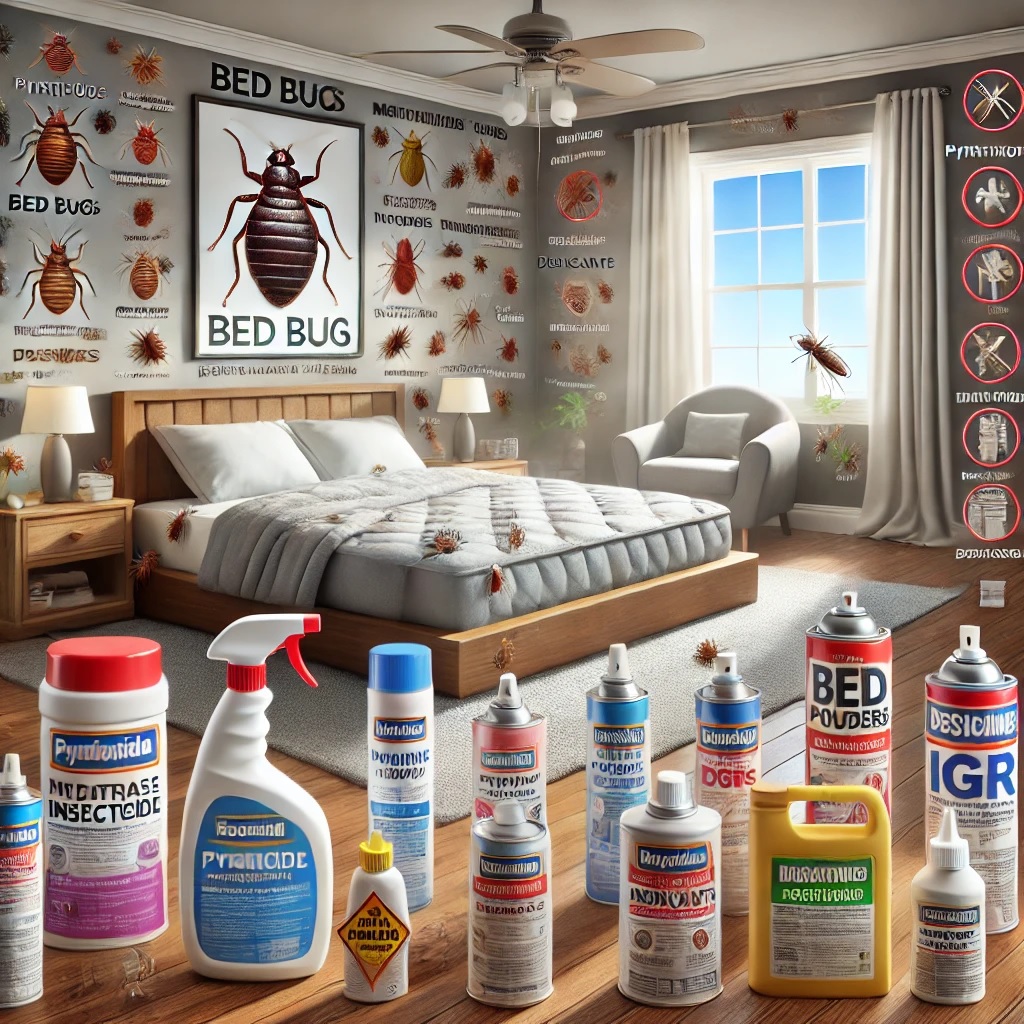
After treating seams, joints, and voids, practitioners should be aware of frequent mistakes and how different surfaces respond to products. Common errors include over-application, neglecting label directions, and assuming one formulation suits all materials. The protocol should require surface testing on inconspicuous areas and documentation of results before full application. Evaluate chemical resistance of finishes, coatings, plastics, and upholstery; porous surfaces absorb differently than nonporous ones. Avoid mixing products unless compatibility data exist. Use application methods that match substrate tolerance and seek formulations designed for delicate fabrics or sealed wood. Record temperature and humidity during treatment, as they affect efficacy and material interaction. Continuous improvement relies on trial data, supplier specifications, and iterative surface testing.
Follow-up Treatments, Monitoring, and Extending Effectiveness
Regularly scheduled follow-up treatments and systematic monitoring are essential to confirm eradication, prevent reinfestation, and extend residual effectiveness of applied products. The practitioner establishes a timeline of scheduled inspections and documents sightings, trap captures, and treatment outcomes. Decisions on residual reapplications are data-driven: dose, location, and product rotation are adjusted to counter resistance. Innovative tools—remote sensors, digital logs, and heat-mapping—augment visual checks and provide actionable analytics. Communication with occupants is procedural and concise: access windows, laundering protocols, and movement restrictions are scheduled to maximize contact mortality.
Scheduled follow-ups, data-driven reapplications, and monitored inspections ensure eradication, prevent reinfestation, and extend residual control.
- Conduct scheduled inspections at 7, 14, and 30 days post-treatment and then monthly.
- Use monitoring devices and photographic records for trend analysis.
- Plan residual reapplications based on detected activity and product label intervals.
- Rotate chemistries to mitigate resistance.
Conclusion
The guide concludes that effective bed bug spray use requires knowledge, caution and methodical action. Practitioners select labeled products, prepare rooms to protect occupants and belongings, and apply treatments precisely to furniture seams, cracks and surrounding areas while avoiding incompatible surfaces. They monitor results, repeat treatments as indicated, and combine preventive measures. Avoiding common mistakes and adhering to safety instructions maximizes control success and reduces risks to people, pets and household items.


