
Discover Buddha Temple Penang: Beyond Myths and Misconceptions
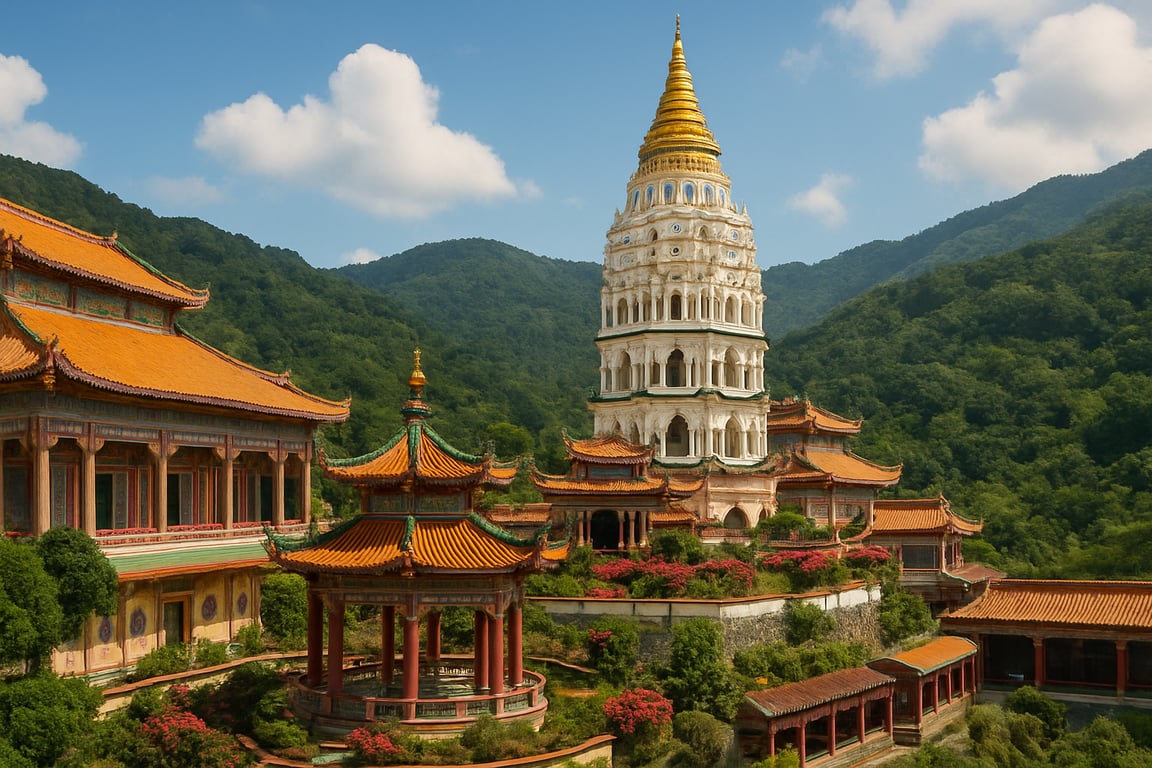
Introduction to Buddha Temple Penang
Buddha Temple Penang is often referred to as one of the most iconic spiritual landmarks in Malaysia’s Penang Island. Contrary to popular belief, it is not just a place of worship but also a cultural and historical treasure that offers insights into Buddhist architecture and tradition. This article aims to dispel common myths surrounding the Buddha Temple Penang and provide factual information to help visitors and locals alike stay informed.
The True Identity of Buddha Temple Penang
Many people mistakenly assume the Buddha Temple Penang is a single well-known temple, but in reality, Penang houses several significant Buddhist temples that collectively represent the spiritual heritage of the island. The famous Kek Lok Si Temple, often dubbed the “Buddha Temple,” is actually the largest Buddhist temple in Southeast Asia and is located in Air Itam. It is known for its stunning architectural blend of Mahayana Buddhism, Taoism, and Confucianism.
Common Misconceptions About Buddha Temple Penang
A frequent misconception is that all Buddhist temples in Penang are easily accessible or located centrally. While some temples like Kek Lok Si are tourist-friendly, others offer more tranquil and secluded experiences away from the bustling city areas. Another myth is that these temples only cater to Buddhists, but in fact, they are open to everyone interested in cultural exploration and spiritual learning.
Architectural Significance of Buddhist Temples in Penang
The architecture of Buddhist temples in Penang is a fascinating fusion of styles and symbolism. Temples such as Kek Lok Si feature grand pagodas, intricate carvings, and beautifully painted statues of Buddha and bodhisattvas. This architectural diversity underscores the island’s multicultural heritage and the Buddhist community’s dedication to craftsmanship and religious devotion.
How to Find a “Buddhist Temple Near Me” in Penang
For those searching for a “Buddhist temple near me” while in Penang or Malaysia in general, numerous options exist ranging from prominent temples to smaller local shrines. Popular choices beyond Kek Lok Si include Wat Chayamangkalaram, known for its Reclining Buddha statue, and Dhammikarama Burmese Temple, which reflects distinctive Burmese Buddhist culture. Mobile apps and local tourism guides often provide updated maps and visitor information for these spiritual destinations.
Visitor Etiquette and Cultural Respect
When visiting any Buddhist temple in Penang, it is important to observe proper etiquette to respect local customs. Visitors should dress modestly and remove their shoes before entering temple halls. Photography might be restricted in certain sacred areas, so asking for permission is recommended. Understanding these customs ensures an enriching experience and preserves the sanctity of the temples.
The Role of Buddha Temples in Penang’s Community
Beyond their spiritual purpose, Buddha temples in Penang play a vital role in community bonding and cultural preservation. They often serve as venues for festivals, meditation classes, and charity events, inviting both locals and tourists to participate. This community aspect is key to understanding the living relevance of Buddhism in the region’s multicultural society.
Conclusion: Appreciating Buddha Temple Penang Beyond Myths
By demystifying common myths, visitors can appreciate Buddha Temple Penang as a multifaceted cultural and spiritual landmark rather than a simple tourist spot. Whether seeking solitude, architectural beauty, or cultural insight, the temples of Penang offer a meaningful experience. For those exploring the island or searching for a “Buddhist temple near me,” understanding these truths will enrich every visit.


